A Storm Damage Roof Checklist for Cornelius Homeowners
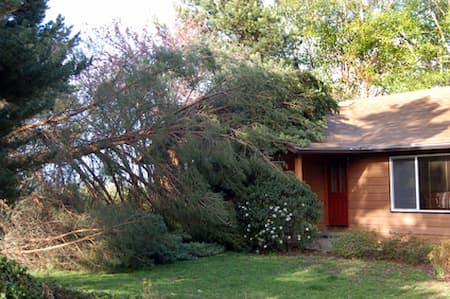
When wind, hail, and heavy rain sweep across Lake Norman into Cornelius, small roof issues can turn into big problems fast. This guide walks you through a clear, safe storm damage roof checklist so you know what to look for, what to document, and when to bring in a pro for storm damage roofing in Cornelius, NC. If you need help coordinating next steps, our team can guide you through storm damage insurance claims so nothing falls through the cracks.
Every neighborhood feels storms a little differently. Homes near The Peninsula or Jetton Cove may see stronger lake-driven gusts, while properties set back from the water can take more tree impact. No matter where you live in Cornelius, a careful plan keeps your home protected.
Storm Damage Roofing in Cornelius: What Puts Your Roof at Risk
Spring and late-summer systems bring quick-hitting winds, hail bursts, and soaking downpours. Those forces stress shingles, flashing, gutters, skylights, and ridge vents. Wind can lift shingle tabs and break their seal. Hail can bruise mats and knock off protective granules, shortening a roof's service life. Heavy rain finds openings around chimneys and wall intersections, then shows up as stains on ceilings or in attic insulation.
Falling limbs are another major factor around mature trees in areas like Oakhurst and Antiquity. Even small branches can dent metal components or puncture shingles. The tough part is that some damage is subtle at first. A roof might look fine from the street, yet have compromised seals that allow water intrusion over time.
Your Safety and Documentation Checklist
First, take care of people and property. If power lines are down or a tree struck your home, call emergency services and your utility provider from a safe location. Then document what you can without stepping onto the roof.
- Walk the interior first. Note new ceiling spots, drips, or musty odors in rooms and the attic.
- Check the exterior from the ground. Use your phone's zoom to photograph shingles, vents, and skylights.
- Look for debris fields. Shingles, shingle granules, or pieces of flashing on the lawn or in gutters signal impact.
- Capture time and date. Photograph your outdoor thermometer or a phone screen showing the storm date to pair with damage photos.
- Protect what you safely can inside. Move belongings from wet areas and place a bucket under active drips.
Don't climb on a wet or wind-damaged roof. Slippery surfaces and hidden soft spots make falls likely. Ground-level photos and a professional inspection provide the proof you need without risking injury.
Exterior Signs of Roof Storm Damage You Can Spot From the Ground
Many storm issues leave patterns you can see without a ladder. These clues help you decide whether to call a professional for a closer evaluation.
- Missing shingles, creased tabs, or shingle edges that look lifted or curled.
- Dark or bare-looking shingle areas where protective granules have washed away.
- Dents on metal components like gutters, downspouts, chimney caps, or ridge vents, which often mirror hail impact on shingles.
- Loose or displaced flashing at chimneys, wall intersections, skylights, or along step flashing near dormers.
- Soffit or fascia damage, including cracks, holes, or sections pulled free by wind.
- Gutter blockages and wash lines where heavy rain overflowed near roof valleys.
Inside, watch for new water stains, peeling paint, or damp attic insulation. A storm-tight roof sheds water quickly, so any fresh moisture is a red flag that deserves attention.
When to Call a Roofing Contractor and What to Expect
Call a professional as soon as you see possible damage or interior leaks. A prompt inspection reduces the chance of secondary issues like mold or damaged drywall. It also builds a thorough photo record tied to the recent storm event, which your insurer may ask for later.
A trusted local roofing contractor will complete a structured inspection of your roof covering, flashings, vents, penetrations, gutters, attic, and nearby siding transitions. Expect clear documentation with date-stamped photos, notes on the roof's condition, and recommended next steps to stabilize the home if needed. Temporary protection, like a properly secured tarp or sealed flashing, should be installed by a trained crew to avoid further damage while you finalize repairs with your insurer.
Good communication matters. You should receive a plain-language summary that explains what was storm-related versus pre-existing wear. That distinction helps everyone agree on a fair repair plan and scope of work.
Navigating Insurance Without the Headache
File your claim as soon as you can after the storm. Many carriers ask for a general description of what happened, the date and time, and where you see damage. Your roofing contractor's photos and notes will help you speak clearly about the findings. If your insurer schedules an adjuster meeting at the home, it's helpful for your roofer to attend so the inspection focuses on all affected areas.
Document damage before any cleanup. Keep copies of photos, videos, and any emergency service reports. Store them in one folder or cloud album with the storm date in the title. If temporary protection was needed, save those invoices for your records as well. A well-organized claim file keeps the process moving and avoids repeat inspections.
During review, your carrier may ask for clarifications, supplemental photos, or itemized repair details. Your contractor can help prepare accurate measurements, material specifications, and code-compliant repair notes. Final work should match the approved scope so you have a complete, lasting fix.
Preventive Steps Before the Next Storm Season
Prevention pays off in Cornelius, where quick-hitting summer storms often arrive with little warning. Focus on professional maintenance and targeted upgrades that help roofs resist wind and water.
- Schedule a pro inspection before peak storm months to catch small issues at flashings, vents, and valleys.
- Ask about reinforcing vulnerable edges where wind can lift shingles, and verify fasteners are secure at critical areas.
- Have gutters and downspouts professionally cleaned and checked for proper pitch so water leaves the roof quickly.
- Discuss attic ventilation and intake with your roofer, since balanced airflow helps shingles last and reduces moisture buildup.
- Consider impact-rated shingles or upgraded underlayment on future projects to better handle hail and wind-driven rain.
Want more practical homeowner guidance? Browse our latest roofing articles for seasonal checklists, material insights, and maintenance reminders tailored to our region.
How This Checklist Helps Cornelius Homes
Storms hit fast, but a steady plan protects your roof and budget. Start with safety, then create a photo trail and call in a qualified professional. Addressing openings around chimneys and wall intersections early keeps water where it belongs. Inside the home, watch ceilings after every major event for two weeks. Slow leaks can appear days later as stained tape joints or sagging paint.
For many households, the hardest part is organizing the claim. Clear photos, labeled by location and date, plus a roofer's written findings, make approvals smoother. If repairs are approved, your contractor should review material options that meet manufacturer guidelines and local standards. Properly matched shingles and sealed flashings are the difference between a quick patch and a roof that's ready for the next Cornelius storm cycle.
Common Mistakes to Avoid After a Storm
Rushing to fix things without documentation can slow your claim, and walking on a slick roof can lead to injury. Another mistake is waiting too long to call for help. Small openings often grow after repeated rain, turning a simple flashing repair into drywall, insulation, and flooring damage.
Avoid out-of-town storm chasers. Work with established local teams who know how Cornelius weather affects roofs and who'll be here for follow-up care. Local knowledge matters, from lake-effect winds to how tree lines channel gusts across open lots.
Why Cornelius Homeowners Choose Sutherlands Exteriors LLC
Local knowledge plus clear communication sets Sutherlands Exteriors LLC apart. Our team documents what we find, explains every recommendation, and coordinates with your insurer so you're never guessing what comes next. We stand behind our craftsmanship and materials, and we plan projects around Cornelius weather windows to keep timelines realistic.
If a recent storm left you worried about your roof, we'll help you prioritize, protect, and restore. When you're ready, we can also guide you through storm damage roofing in Cornelius support so the next steps feel simple.
Ready for a Professional Storm Assessment?
Concerned about recent wind or hail? Call Sutherlands Exteriors LLC at 704-784-0043 for a thorough storm assessment and clear next steps tailored to your Cornelius home. Choose a licensed, insured roofing contractor for any temporary protection or repairs. The right partner keeps your family safe, protects the structure, and preserves your claim file from day one.
Protecting Your Home, One Roof at a Time. Contact Our Cornelius Roofing Contractors Today!
Or Fill Out Our Quick Form!